Bipartisan Tax Deal Would Expand Credits for Businesses, Children, and Low-Income Housing
New tax deal expands credits for families and businesses, aiding low-income housing and promoting economic growth.
Source: CPA Practice Adviser
Senate Finance Chairman Ron Wyden and House Ways and Means Chairman Jason Smith unveiled a roughly $78 billion tax deal Tuesday that would revive a trio of business tax credits, expand the child tax credit and boost low-income housing.
Wyden, D-Ore., and Smith, R-Mo., aim to pass the tax package before Jan. 29 to avoid disruptions to filing season. The two will need to shore up support amid criticism of the deal from the right and left and find a legislative vehicle for the measure.
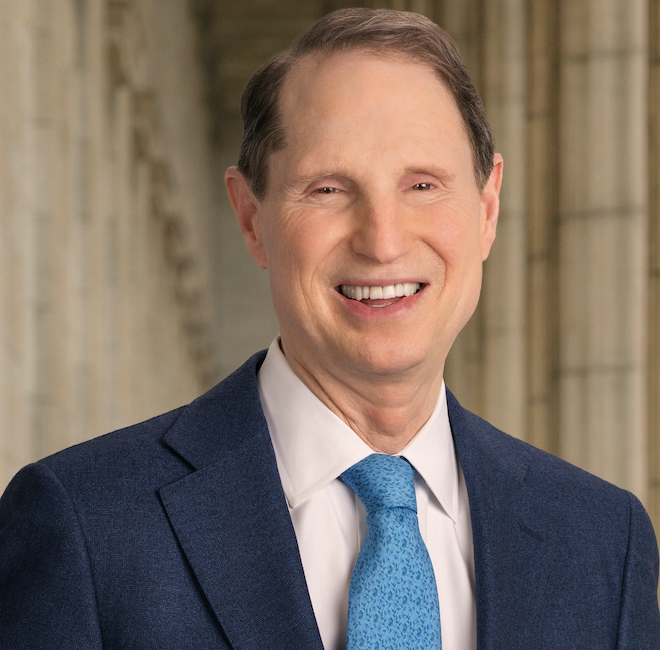
“Fifteen million kids from low-income families will be better off as a result of this plan, and given today’s miserable political climate, it’s a big deal to have this opportunity to pass pro-family policy that helps so many kids get ahead,” Wyden said in a statement.
The deal’s expansion of the child tax credit would allow low-income families with more than one kid to qualify for more of the credit more quickly. Other changes to the credit would include making more of the credit available as a refund and indexing the total credit to inflation starting in 2024.
The deal would also allow families to use the previous year’s income to qualify for the relief, according to a summary of the package, which wasn’t yet introduced as legislative text.
An expansion of the low-income housing tax credit and tax relief for individuals impacted by natural disasters and the East Palestine, Ohio train derailment were new additions to the package since the tentative outlines of a deal were reported earlier this month. House Ways and Means approved a nearly $5 billion stand-alone disaster relief bill in November.
The package would restore a 12.5 percent cap on low-income housing tax credits in place from 2018 to 2021, allowing states to allocate more of the credit to affordable housing projects. Senate Democrats had pushed Wyden to get housing provisions included in a deal. The expansion would support the construction of more than 200,000 affordable homes, Wyden said.
It would also incorporate legislation extending tax treaty-like benefits to American companies operating in Taiwan and vice versa. And for the first time since the 1950s, the measure would boost the threshold for businesses to report payments to subcontractors, from $600 to $1,000 initially, and then indexed for inflation.
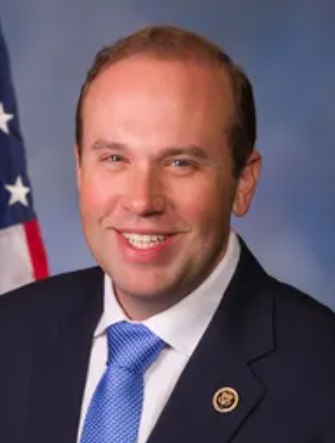
Smith touted the business provisions included in the package.
“American families will benefit from this bipartisan agreement that provides greater tax relief, strengthens Main Street businesses, boosts our competitiveness with China, and creates jobs,” he said in a statement. “This legislation locks in over $600 billion in proven pro-growth, pro-America tax policies with key provisions that support over 21 million jobs. I look forward to working with my colleagues to pass this legislation.”
The package would restore business tax incentives phased out to lower the price tag of the 2017 tax law. The package would allow the businesses to deduct domestic research and development investments all at once, rather than spaced out over five years. Deductions of foreign research and development investments would still be amortized over 15 years.
The package would also reinstate a more generous cap on interest payments deductions put in place by the 2017 tax law and phased out in 2022. It would extend a provision from the 2017 law allowing businesses to deduct all of their investments in short-term assets, such as machinery and other equipment. The deduction dropped to 80 percent of those purchases last year and will phase out entirely by 2027, absent congressional action.
The deal would also allow small businesses to deduct up to $1.29 million in expenses, up from $1 million.
Tax writers plan to end the pandemic-era employee retention tax credit program early to cover the cost of the deal. They estimated ending the program would offset more than $70 billion of the package’s cost.
The package would not raise the $10,000 cap on state and local income tax deductions, which could undermine support among lawmakers from high-tax, high-cost-of-living states, such as California, New York and New Jersey.
Questions people ask
What changes are being made to the child tax credit?
The child tax credit would expand, letting low-income families with more than one child qualify for more of the credit more quickly. More of the credit will be available as a refund, it will be indexed to inflation from 2024, and families can use the previous year’s income to qualify.
How will the low-income housing tax credit change?
The deal would restore a 12.5 percent cap on low-income housing tax credits as in 2018, 2021. This allows states to allocate more credits for affordable housing projects and is expected to support construction of more than 200,000 affordable homes, according to Senator Wyden.
What tax relief is included for disasters and the East Palestine train derailment?
The package provides tax relief for individuals impacted by natural disasters and the East Palestine, Ohio train derailment. This builds on a nearly $5 billion disaster relief bill the House Ways and Means Committee approved in November, expanding coverage to recent disasters covered in the new package.
Which business tax credits and deductions are being restored or expanded?
Businesses could again deduct domestic research and development investments all at once, rather than over five years. Small businesses can expense up to $1.29 million, up from $1 million. The bill also restores generous interest deduction rules and extends full deductions for short-term asset purchases like machinery.
Is there a new reporting threshold for business payments to subcontractors?
Yes, the threshold for businesses to report payments to subcontractors would rise from $600 to $1,000, the first increase since the 1950s. This threshold will be indexed for inflation in future years, easing reporting requirements for many businesses.